
Roof Replacement in Plano, Addison & Far North Dallas — Done Right the First Time
Plano Roofing Replacement
How to Know If It’s Repair Time or Replacement Time
Roofs in North Texas don’t always go quietly. Sometimes a hail event takes them out in 20 minutes; other times they wear out so gradually that homeowners only notice when the ceiling stains show up. Here are the signals we look for during an inspection in Plano, Addison, or Carrollton:
- Granule loss filling your gutters and downspouts (looks like coarse black sand)
- Curling, cracking, or missing shingles — especially on the south- and west-facing slopes
- Soft or bouncy decking when we walk the roof
- Daylight visible through the attic at a roof penetration
- Multiple repairs in the last 24 months that haven’t held
- Roof age of 18+ years for a 3-tab, or 22+ years for an architectural shingle
- A recent hail or wind event with visible bruising on the shingle mat
Roofing Materials That Make Sense in North Texas
North Texas weather is brutal on roofs — hail in spring, 100°F+ summers, the occasional ice storm. We install three main material families, and we’ll be straight with you about which one fits your home and budget.
Asphalt Shingles (most common in Plano & Addison)
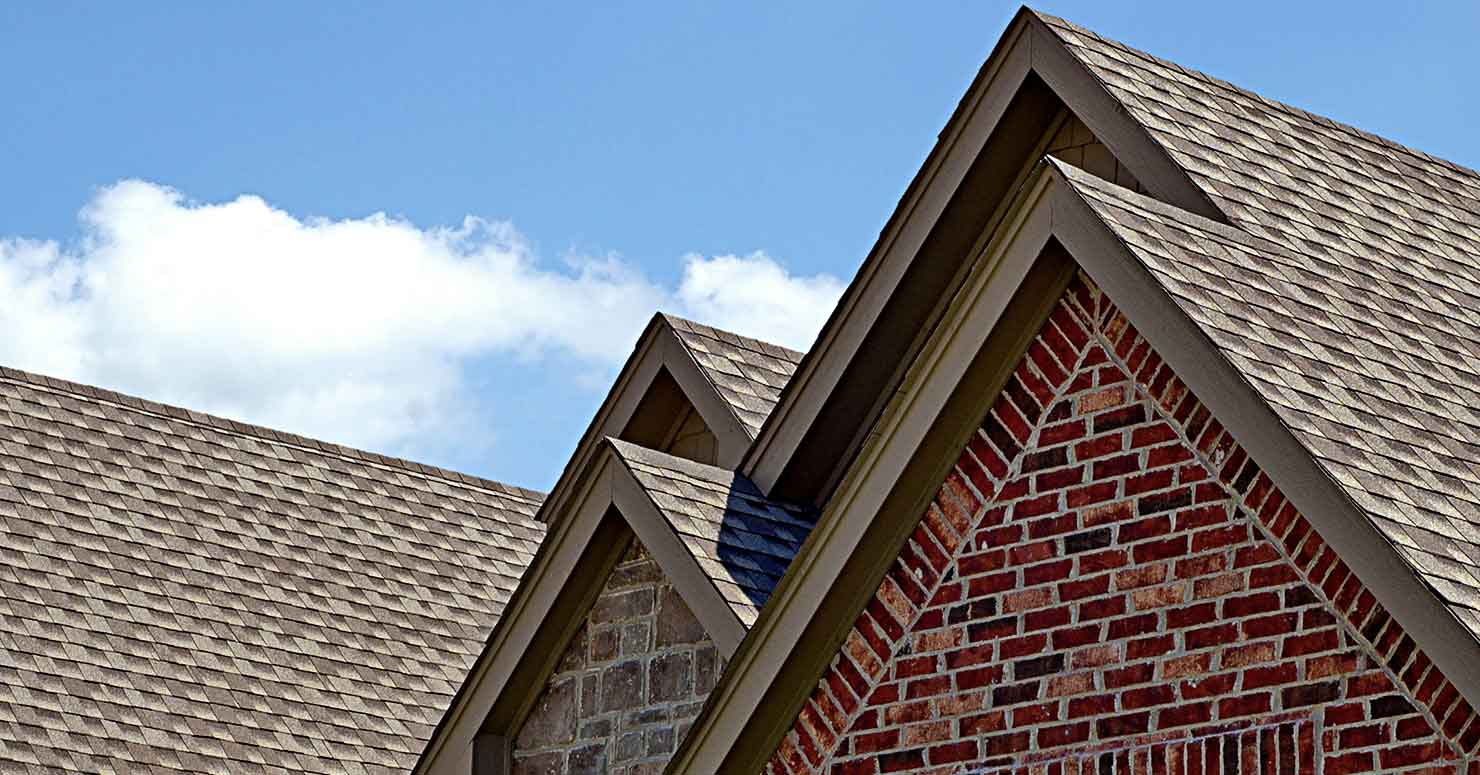
90% of the homes we re-roof in Far North Dallas get architectural asphalt shingles. They’re affordable, look great, and handle our climate well. We default to GAF, Owens Corning, and CertainTeed lines. Class 4 impact-rated versions can earn you a discount on your homeowner’s insurance — ask your agent about “impact-resistant roof” or “Class 4” credits.
Metal Roofing (popular in Frisco & Prosper)
Standing-seam metal roofs are the longest-lasting option we install — usually 50+ years. They reflect heat, which lowers attic temps in the Texas summer, and they shrug off hail that would dent a regular shingle. More upfront cost, but you almost never replace it again.
Concrete & Clay Tile (Mediterranean & Spanish-style homes)
If you’re in one of the older Spanish-style homes near University Park or in some of the gated
Plano neighborhoods, you likely have tile. We replace damaged tiles, re-underlay full sections,
or handle a complete tile re-roof when needed.
Frequently Asked Questions

We had a few projects around the house that needed to be done. I met with a few different contractors before choosing Sunshine. Tony and Hameed were great to work with. Great communication and always quick to reply or accommodate if needed. I initially chose them because they were willing to be flexible to accommodate our needs. We opted to stay in the home while the work was ongoing. They are great at making suggestions if needed and helping steer in the right direction. We replaced the flooring in the home with engineered hardwood, we tore out and redid the primary and a guest bathroom. They repainted a few rooms for us and tackled a few smaller things while they were here. All of the crews they bring in were very courteous and cleaned up after themselves for the most part. We have other projects still on the to do list and we will be using them again in the future for when that time comes. Would definitely recommend to others for any type of project- big or small.
2 weeks ago
Contact Us Today
We’re Ready To Help

Get a Free, No-Obligation Roof Inspection
Whether your roof was just hit by a storm or you’ve been quietly worrying about it for two years, the next step is the same — a free, honest inspection. We’ll climb the roof, document everything, and send you photos and a written report within 24 hours.
Roof Replacement
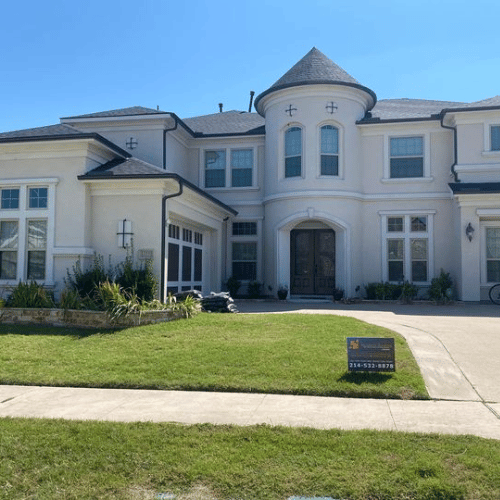
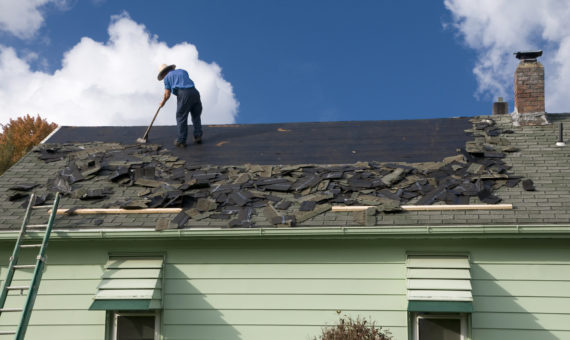
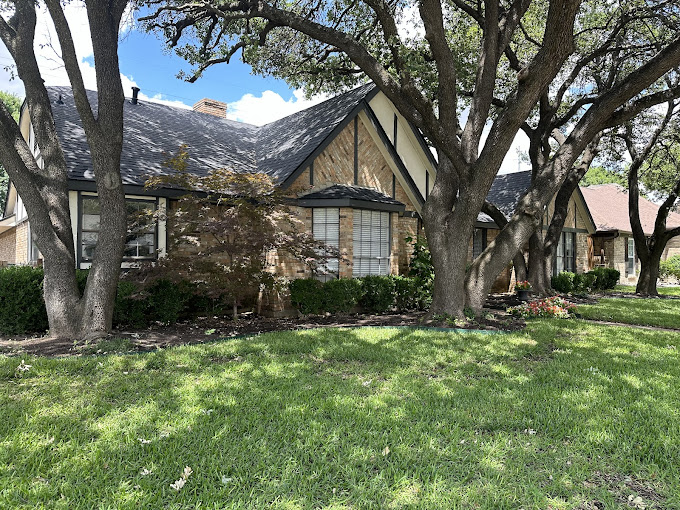
New roofs in Plano, Addison and Carrollton — asphalt shingle, metal, and tile. Most homes finished in 1–2 days. We handle the insurance paperwork
Roof Repair
Leaks, missing shingles, hail damage, and storm follow-ups. Same-day inspections inside our service area.
Home Remodeling
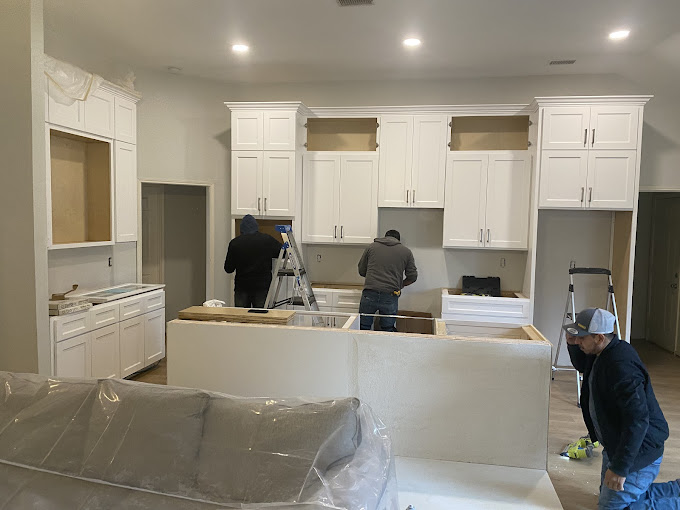
Kitchen, bath, siding, gutters, and full home remodels — with the same crew that knows how your roof connects to the rest of your home.
What Happens From the First Call to the Final Nail
- Free inspection. We come out, climb the roof, take photos, and send you a written report within 24 hours. We’ll show you the actual damage on your phone before you pay anyone a dollar.
- Insurance walk (if storm-related). Tony or a project manager meets your insurance adjuster on the roof and walks the damage with them. This step alone catches thousands of dollars of items adjusters can miss.
- Material selection. We bring shingle samples to your house. You see the color on your actual home, in your actual light, before you commit.
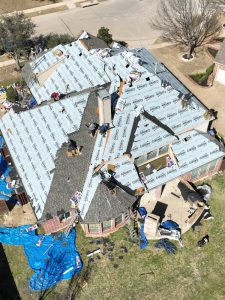
- Installation. Most jobs are 1–2 days. We tarp landscaping, lay protective sheets over A/C units and pools, and dumpsters are placed where they don’t block your driveway any longer than necessary.
- Final walkthrough + magnet sweep. We hand-walk the property with you, run a magnetic roller through the yard for stray nails, and you sign off only when you’re satisfied. You get the manufacturer warranty plus our written workmanship warranty.
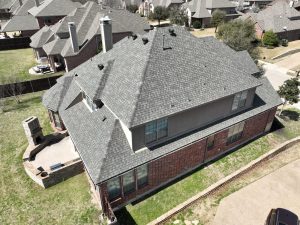
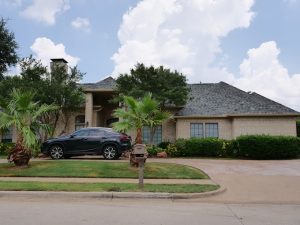
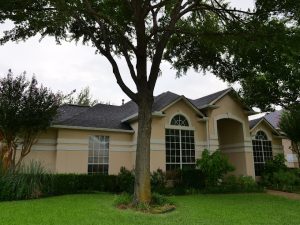
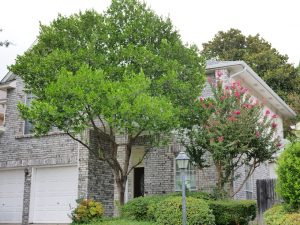
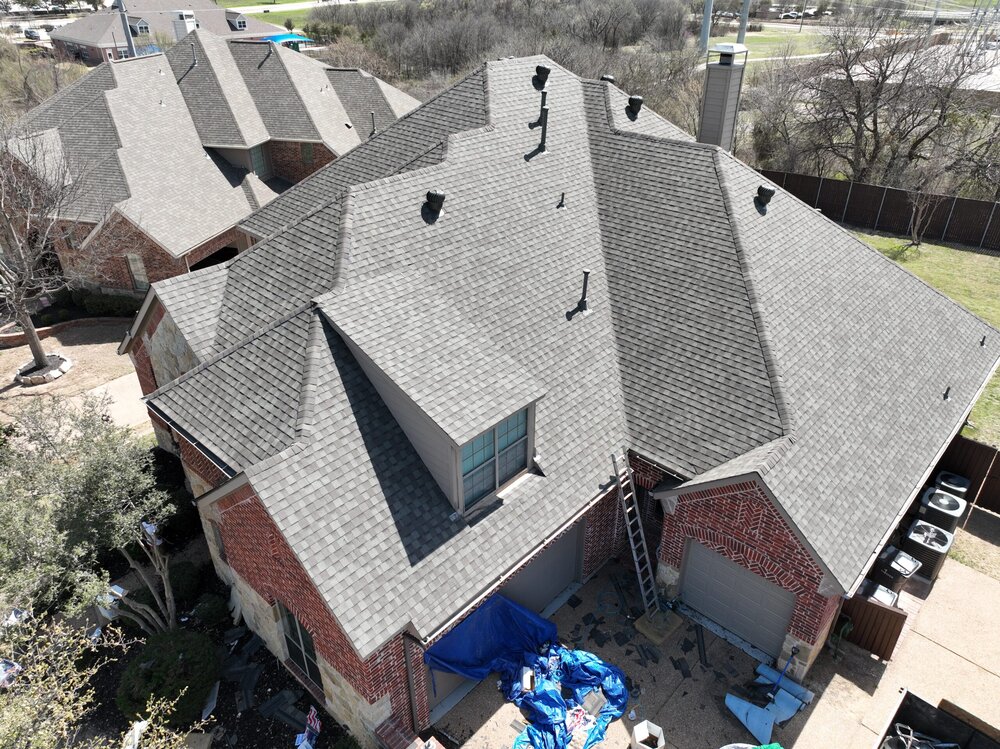
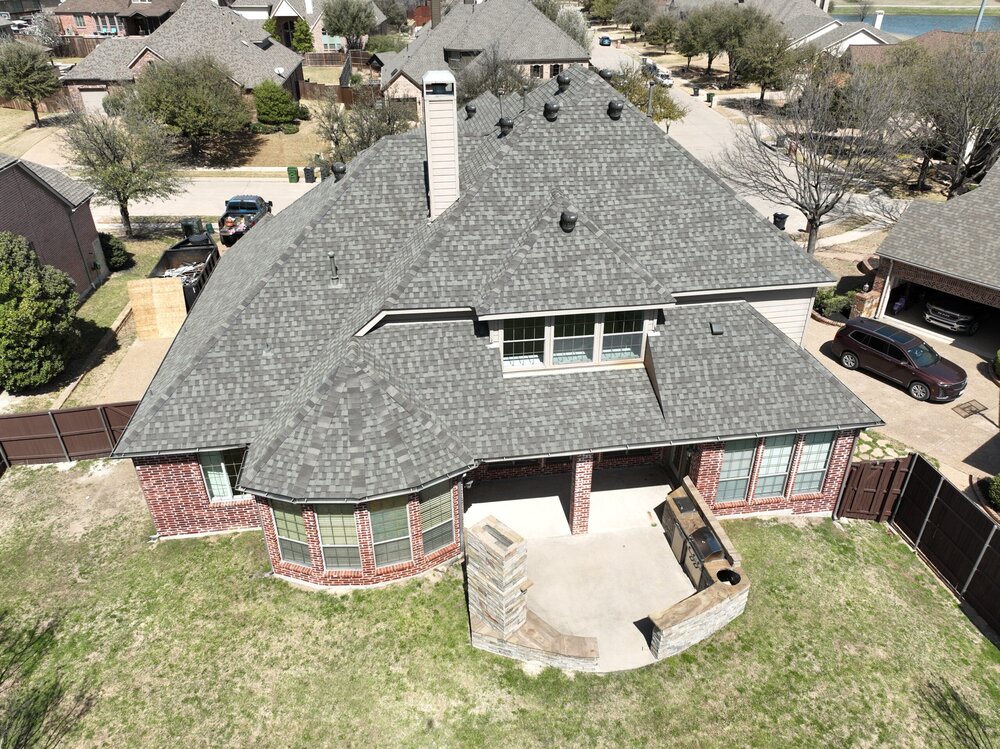
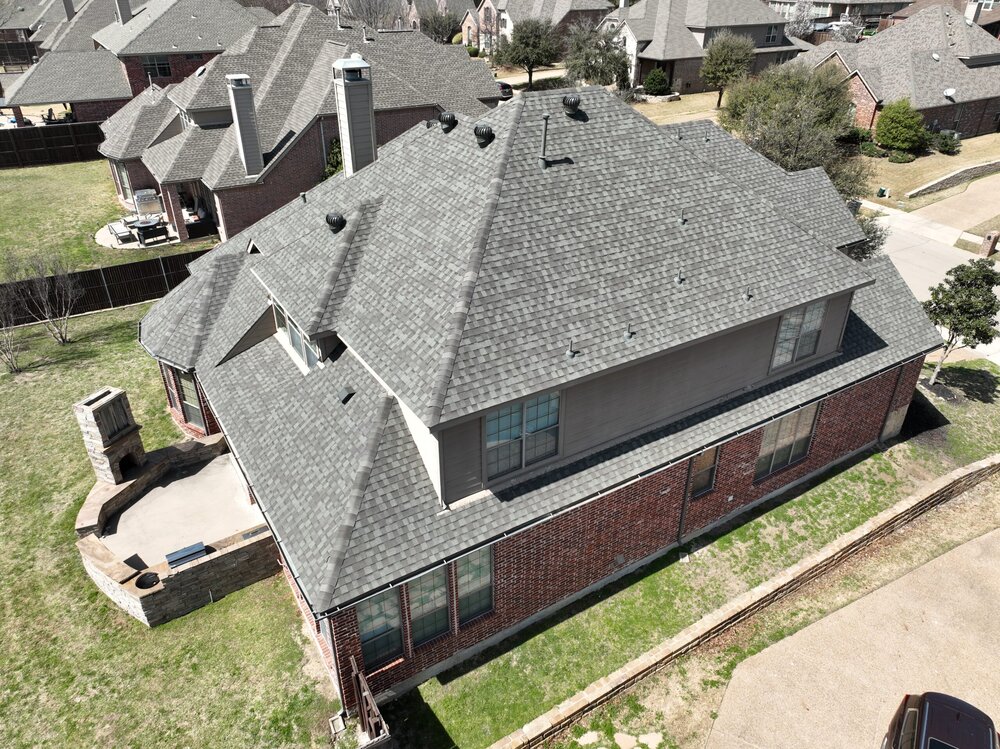
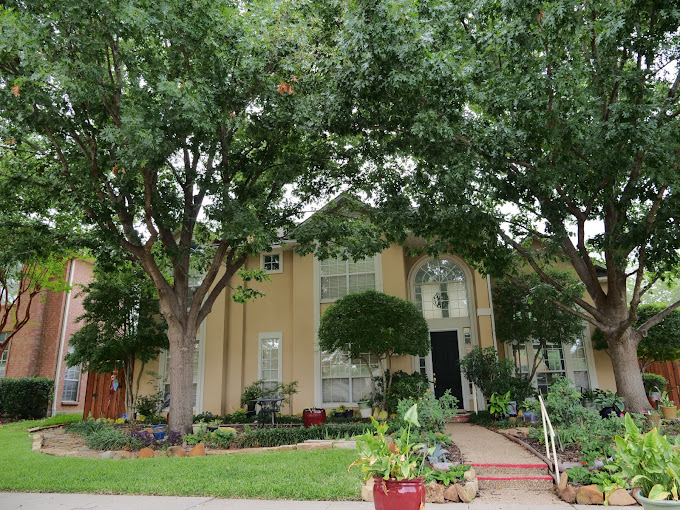
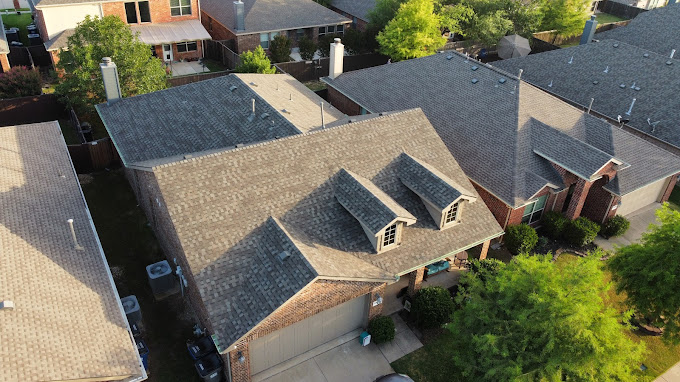
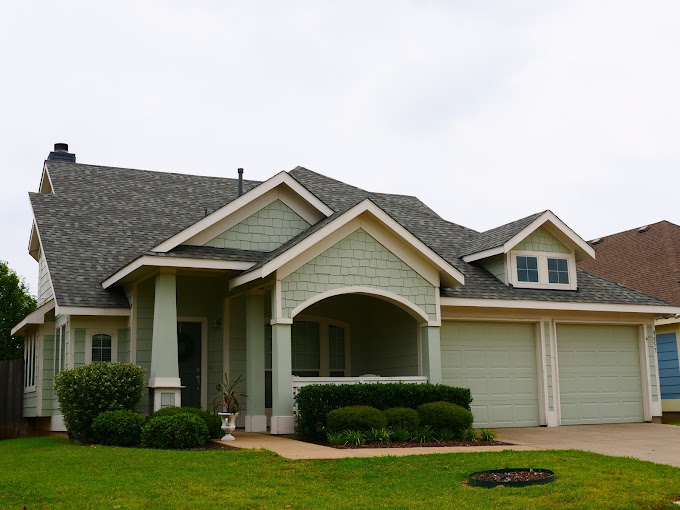
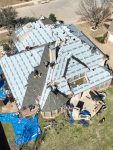
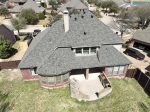
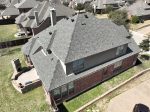
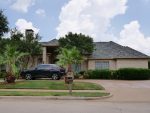
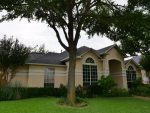
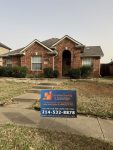
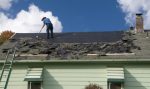
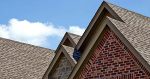
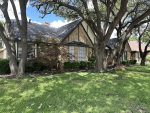
Our Work

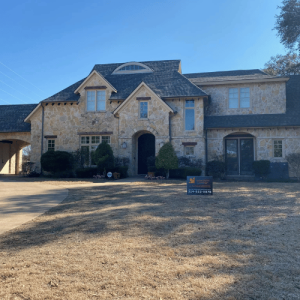
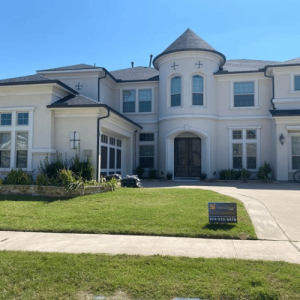
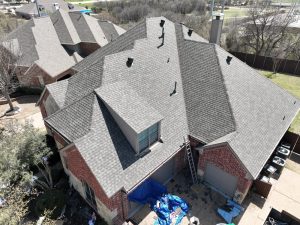
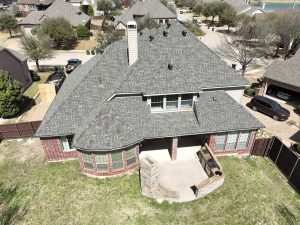

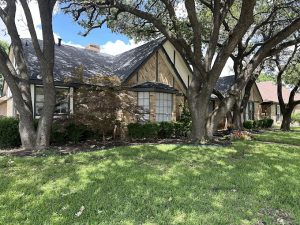
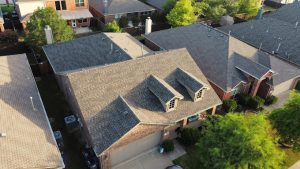
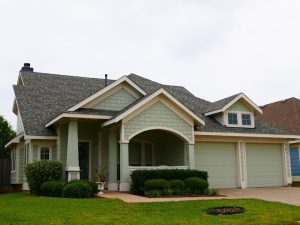
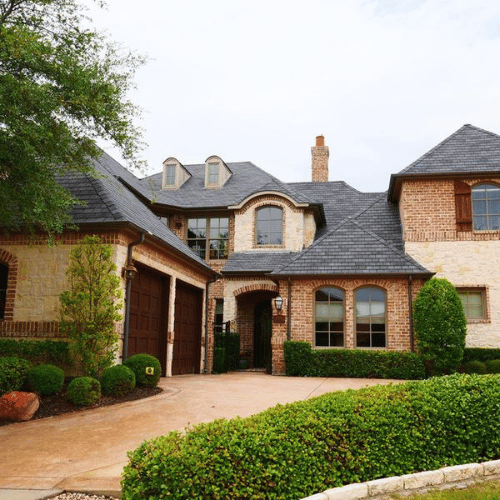
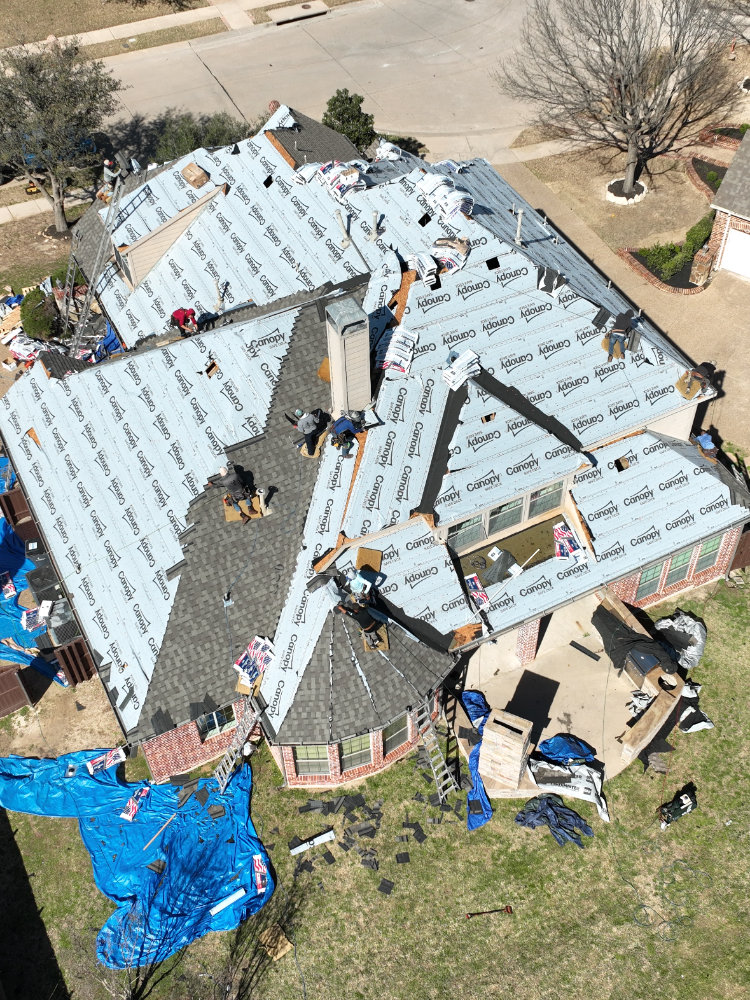
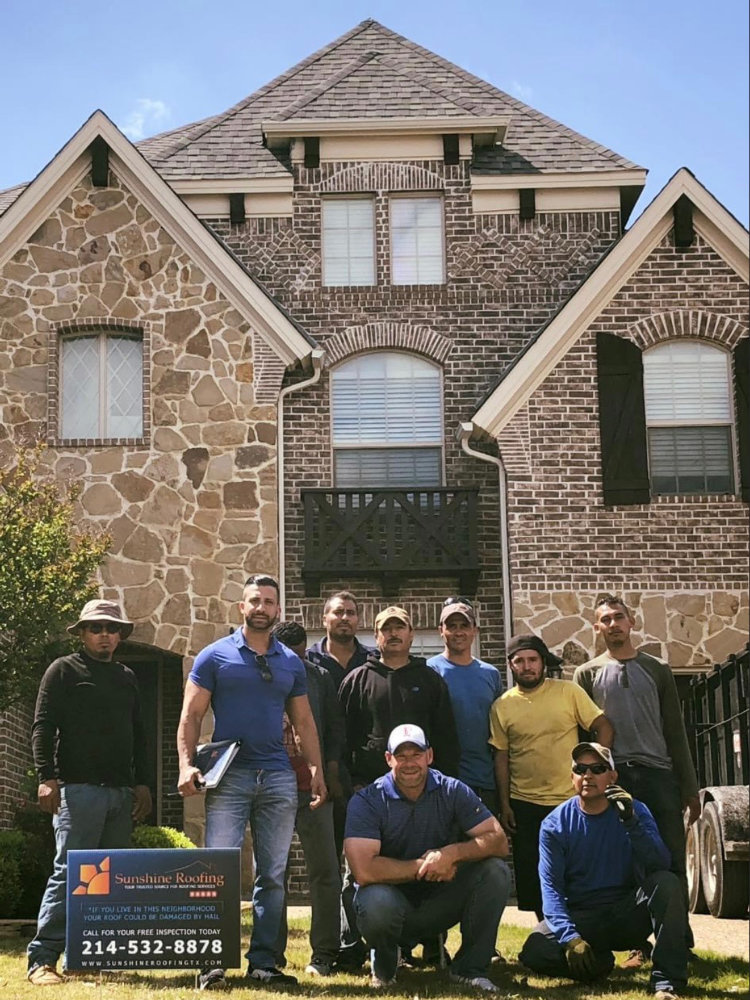
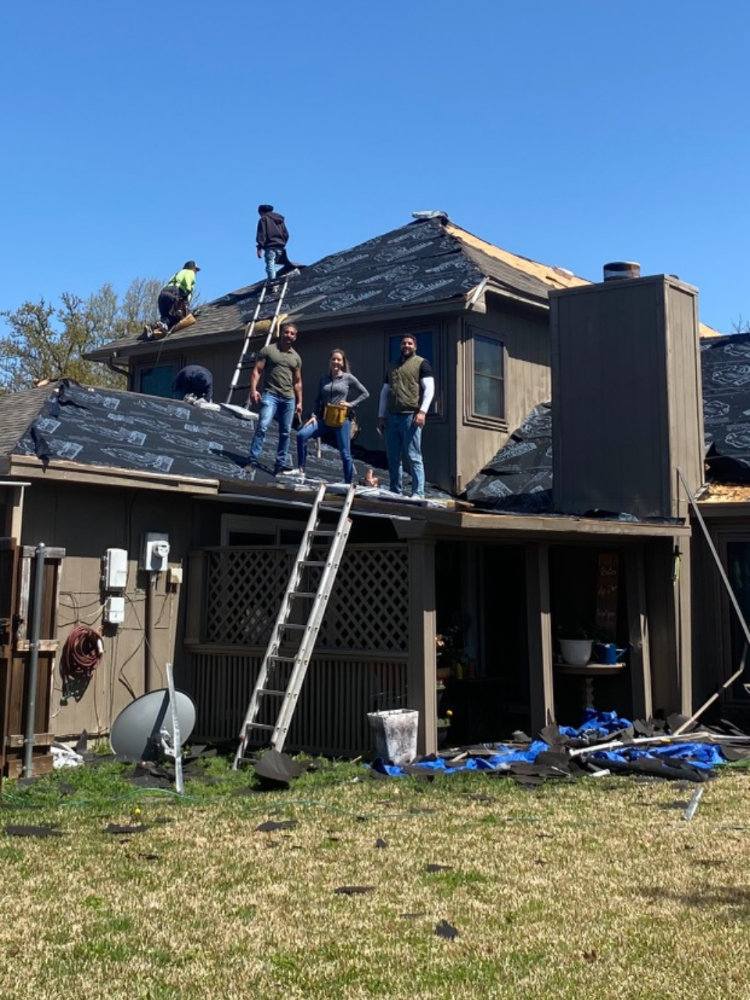
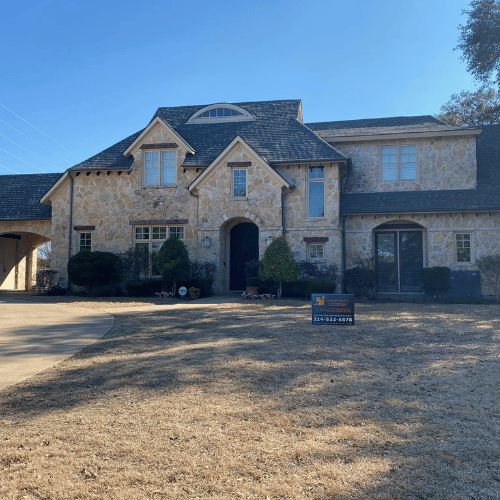
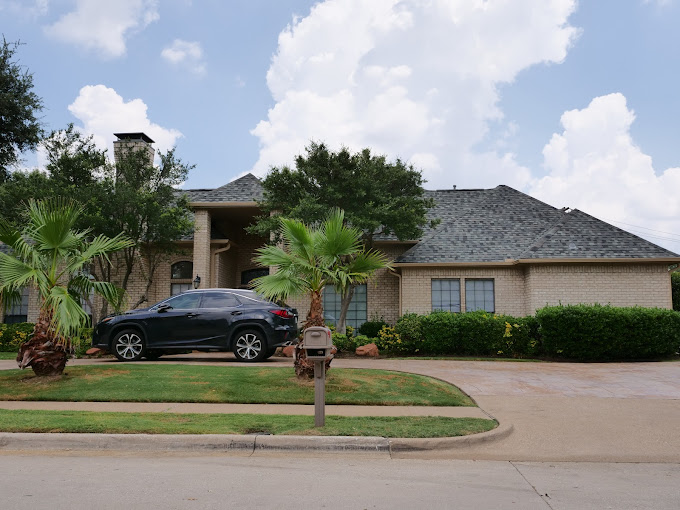
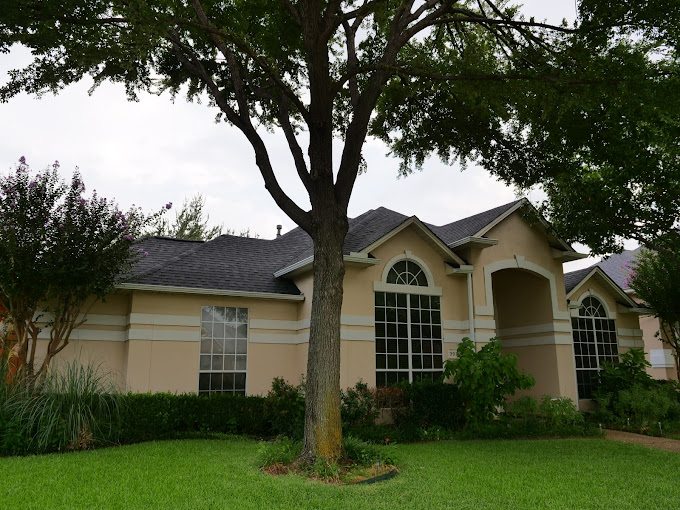
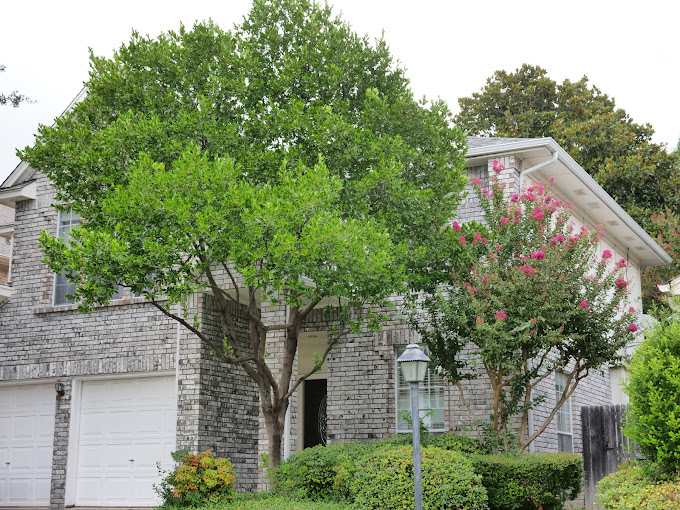
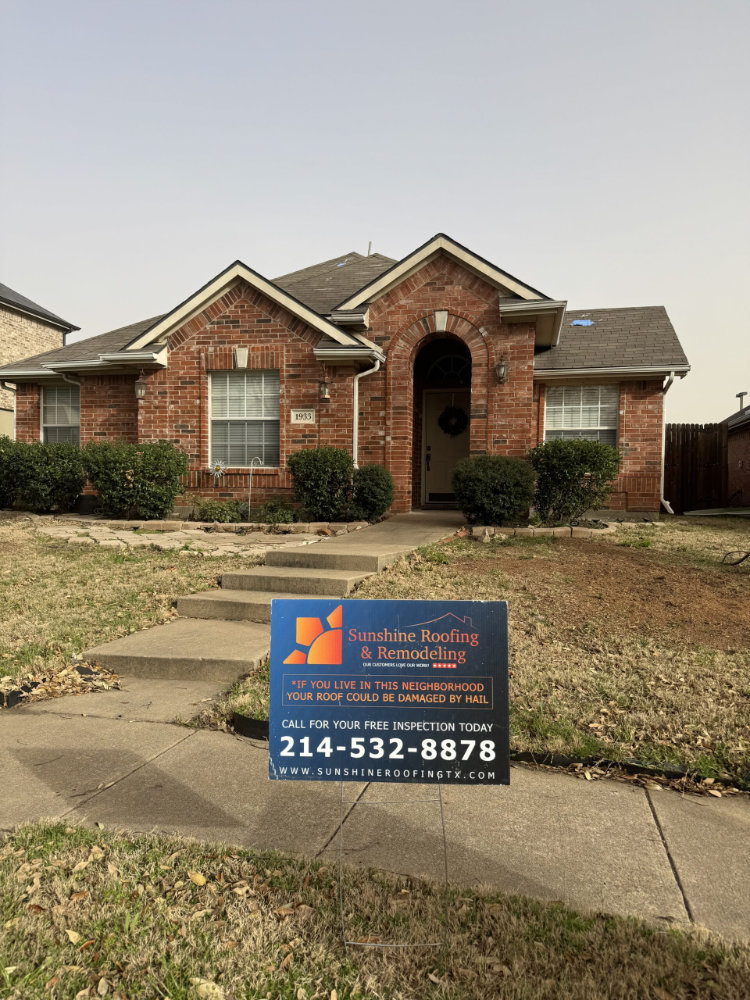

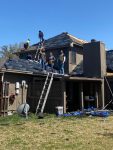
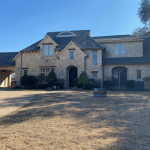
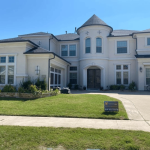
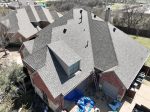



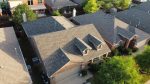
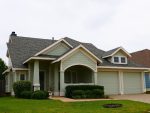
Locally Owned
Proudly operating as a trusted locally owned business.
Reliable
Providing dependable and timely craftsmanship on every project.
Free Estimates
Receive complimentary estimates for your upcoming property improvements.
Our Services
How Do I Know When It’s Time to Replace My Roof?
Determining when it’s time to replace a roof is a critical decision for homeowners, as it involves significant investment and plays a crucial role in protecting the entire structure of the home. One of the most straightforward indicators that a roof may need replacement is its age. Most roofs, depending on the material, have a lifespan after which they begin to deteriorate. For instance, asphalt shingle roofs typically last 20-30 years, while metal or tile roofs can last much longer. If your roof is nearing or has passed this age range, it’s wise to start considering a replacement. Age-related wear and tear can weaken a roof’s ability to protect your home from weather elements, and older roofs may not meet current building standards or offer the same level of energy efficiency as newer materials.
Visual inspection is another key method to assess whether a roof needs replacement. Signs of significant wear and tear such as missing, cracked, or curled shingles, broken or missing tiles, or noticeable sagging are clear indicators that the roof may be failing. In addition to these, look for evidence of water damage or leaks, both externally and internally. Water stains, mold growth, or peeling paint on ceilings and walls inside your home can indicate a leaking roof. It’s also important to check the attic after heavy rain; if you see any signs of water penetration or light coming through the top, your roof likely needs urgent attention.
Beyond the obvious physical deterioration, consider the frequency and extent of repairs your roof requires. If you’re constantly patching up areas or dealing with leaks, it might be more cost-effective in the long run to replace the roof rather than continue with frequent repairs. Frequent repairs can be a sign that the roofing material has reached the end of its useful life. Additionally, if you notice an increase in your energy bills, it could be due to poor roof insulation, another sign that your roof may need replacement. A new roof, especially with modern materials, can significantly improve your home’s insulation and energy efficiency.
Lastly, it’s important to factor in the impact of severe weather events. If your area has experienced significant storms, hail, or high winds, even a relatively new roof can sustain damage that might warrant a replacement. After such events, a professional inspection is advisable to assess any hidden damage. Remember, while the cost of replacing a roof can be substantial, delaying a necessary replacement can lead to more serious issues, including structural damage to your home. Regular inspections and maintenance can help extend the life of your roof, but when these signs appear, it’s prudent to consult with a roofing professional to discuss replacement options. A new roof not only ensures the safety and security of your home but can also enhance its aesthetic appeal and overall value.
Can I Stay in My Home During the Roof Replacement?
Deciding whether to stay in your home during a roof replacement depends on several factors, including the scope of the project, personal comfort with the construction process, and safety considerations. Roof replacement is typically a noisy and disruptive process. The extent of the noise can vary depending on the tools used and the nature of the work being done, but it generally includes constant hammering and the sound of power tools. This noise can be particularly disruptive if you are working from home, have small children, or are sensitive to loud sounds. Additionally, vibrations caused by the work might be felt throughout the house. For some homeowners, this level of disturbance is tolerable, but for others, it may be too intrusive, prompting them to temporarily relocate.
Another consideration is the safety and cleanliness of your property during the roof replacement. Roofing contractors will do their best to minimize debris and ensure safety around your home, but roofing is a messy job. You can expect a certain amount of materials like nails, shingles, and dust to end up around your property. Contractors usually set up tarps to catch most of the debris, but some may still scatter. If you have young children or pets, this could pose a safety hazard. Additionally, access to certain parts of your yard or home may be restricted during the work, which can be inconvenient.
The duration of the project is also a key factor. Most residential roof replacements take a few days to a week, depending on the size of the roof, weather conditions, and the complexity of the job. If the project is expected to be short, you might find it easier to stay and tolerate the inconvenience for a brief period. However, if the replacement is extensive and likely to take longer, the continual disruption might make staying at home less feasible. The time of year can also influence your decision. Roofing during hot summer months or cold winters can add to the discomfort of staying at home during the replacement process.
Ultimately, the decision to stay in your home during a roof replacement comes down to personal preference and your specific circumstances. If you decide to stay, it’s important to have clear communication with your roofing contractor about the schedule, safety precautions, and measures to minimize disruption. If you choose to relocate temporarily, it might be a good opportunity to take a short vacation or stay with relatives, providing peace of mind while the work is being completed. Regardless of your choice, a professional roofing contractor will work to ensure the process is as smooth and efficient as possible, aiming to reduce the impact on your daily life.
Is a Roof Replacement Covered by Insurance?
Determining whether a roof replacement is covered by insurance involves understanding the specifics of your homeowners’ insurance policy and the circumstances leading to the need for replacement. Generally, homeowners’ insurance policies cover roof replacements if the damage is caused by an unpreventable event or “act of God,” such as severe weather conditions including storms, hail, high winds, or fallen trees. In these cases, the insurance company views the damage as sudden and accidental, which is typically within the scope of standard coverage. It’s important to thoroughly review your policy or speak with your insurance agent to understand what types of damage are covered, as policies can vary significantly in terms of coverage limits and exclusions.
However, it’s crucial to note that insurance coverage may not extend to damage caused by wear and tear or poor maintenance. Insurance companies expect homeowners to perform regular maintenance on their roofs. If a roof replacement is needed due to neglect, age, or general wear and tear over time, the insurance company might not cover the costs. This underscores the importance of regular roof inspections and maintenance to not only prolong the life of the roof but also to ensure compliance with the terms of your insurance policy. Additionally, if your roof is particularly old, the insurance company might only cover a portion of the replacement cost, considering the depreciated value of the roof.
When it comes to filing a claim for roof replacement, documentation and timing are key. After a damaging event, it’s advisable to document the damage as soon as possible. This can involve taking photos or videos, keeping records of the date and time of the incident, and noting any related weather reports or events. It’s also important to contact your insurance company promptly to start the claims process. They will typically send an adjuster to inspect the damage and determine the extent of coverage based on your policy. Be prepared to provide all the necessary documentation to support your claim.
Lastly, understanding the deductible and coverage limits is essential. Your policy will include a deductible, which is the amount you pay out of pocket before the insurance coverage kicks in. Additionally, there may be coverage limits that cap the amount the insurance company will pay for a roof replacement. In some cases, policies have specific provisions for roofing materials, offering different coverage levels based on the type of roof and its age. Given these complexities, it’s advisable to maintain open communication with your insurance provider and possibly seek the assistance of a roofing professional who has experience dealing with insurance claims. This can help ensure that you navigate the claims process effectively and maximize your chances of receiving appropriate coverage for your roof replacement.
How Does a New Roof Impact Home Value?
The installation of a new roof can have a significant impact on the value of a home, which is an important consideration for homeowners, especially those contemplating selling their property in the near future. A new roof enhances the curb appeal of a house, making it more attractive to potential buyers. This visual improvement is not just about aesthetics; it also signals to buyers that the home has been well-maintained. For many potential buyers, the roof is one of the key aspects they examine, as it’s a critical component of the home’s structure. A new roof can be a strong selling point, indicating that the new owners won’t have to worry about roof-related issues or replacement costs for years to come. This can make the property stand out in the real estate market, potentially leading to a quicker sale.
From a financial standpoint, a new roof can increase the overall value of a home. While it may not always lead to a dollar-for-dollar increase in the property’s selling price, it significantly enhances the home’s marketability and can contribute to a higher selling price. Numerous studies and real estate reports suggest that a new roof can offer a substantial return on investment (ROI). The exact ROI can vary based on factors such as the roofing material used, the overall housing market conditions, and the geographical area, but a well-executed roof replacement using quality materials is generally seen as a value-adding upgrade.
The benefits of a new roof extend beyond just the immediate aesthetic and financial perks. It can also lead to improved energy efficiency, which is increasingly important to modern homebuyers. New roofing materials and technologies can provide better insulation and reflectivity, reducing the costs of heating and cooling the home. This energy efficiency is not only a selling point but can also lead to savings on utility bills while you continue to reside in the home. In some cases, installing environmentally friendly roofing materials can also make a property eligible for green energy tax credits, further enhancing its appeal to eco-conscious buyers.
Moreover, a new roof can also provide peace of mind to potential buyers regarding safety and insurance aspects. A new, sturdy roof offers better protection against weather elements, reducing the likelihood of leaks or damage that can lead to more extensive, costly repairs. This aspect of security is a strong selling point, particularly in areas prone to severe weather conditions. Additionally, a new roof can sometimes lower homeowners’ insurance premiums, as it reduces the risk of damage claims, which is another attractive feature for potential buyers.
In summary, investing in a new roof can have a positive impact on both the aesthetic appeal and the financial value of a home. It not only enhances curb appeal and increases the property’s marketability but also offers practical benefits in terms of energy efficiency, safety, and insurance savings. These factors collectively contribute to making a property more attractive to potential buyers, often resulting in a higher selling price and a better overall ROI.
Can a New Roof Improve Home Energy Efficiency?
Installing a new roof can significantly enhance a home’s energy efficiency, which is an increasingly important consideration for homeowners looking to reduce energy costs and improve comfort. The roofing material and structure play a crucial role in a home’s thermal performance. Traditional roofing materials can absorb and transfer heat from the sun into the attic and living spaces, leading to increased demand on air conditioning systems during hot weather. Modern roofing materials, however, are designed to reflect more sunlight and absorb less heat. Options like cool roofing shingles are specifically engineered to reflect more UV rays and infrared light from the sun, significantly reducing heat transfer into the home. This can lead to a cooler attic and living spaces, reducing the need for air conditioning and thereby lowering energy costs.
The insulation and ventilation of a roof are also key factors in energy efficiency. When installing a new roof, it presents an opportunity to upgrade or improve the insulation and ventilation in the attic. Proper insulation helps maintain a consistent temperature within the home, preventing heat loss during winter and keeping the home cool during summer. Good attic ventilation is equally important; it allows for a continuous flow of air, which helps to remove excess heat and moisture. This not only improves energy efficiency but also prolongs the life of the roof by preventing issues like ice dams in winter and reducing the likelihood of shingle deterioration during hot weather.
In addition to material and structural considerations, the color of the roofing material can impact energy efficiency. Lighter-colored roofs tend to reflect more sunlight than darker ones, which absorb more heat. This is particularly beneficial in areas with high summer temperatures and strong sunlight. For homeowners in these climates, choosing a lighter-colored roof can result in significant energy savings. Moreover, some roofing materials are now ENERGY STAR rated for their energy efficiency. These products meet strict guidelines set by the U.S. Environmental Protection Agency and can significantly reduce roof temperatures, leading to less heat entering the home and, consequently, lower air conditioning needs.
Lastly, a new roof can contribute to a more airtight home. Older roofs often have gaps or cracks that can allow for air leaks, leading to increased energy consumption as heating and cooling systems work harder to maintain indoor temperatures. A new roof installation provides an opportunity to address these issues, ensuring that the roof is properly sealed and contributing to the overall energy efficiency of the home. In some cases, installing a new roof can also provide the chance to integrate renewable energy solutions, such as solar panels, which can further reduce reliance on traditional energy sources and lower utility bills.
Plano, Addison & Far North Dallas Are in the Hail Belt
If you’ve lived in Far North Dallas for more than a couple of years, you already know — DFW sits inside one of the most active hail corridors in the United States. Plano alone has been hit by major hail events nearly every spring for the past decade. The big ones (May 2019, June 2023)
left entire neighborhoods getting new roofs at the same time.
That’s why we default to architectural shingles with at least a Class 3 impact rating, and we strongly recommend Class 4 for any home south of Legacy West, near the Galleria, or anywhere along the US-75 corridor. The upgrade typically pays for itself in insurance discounts
within a few years — and it’s the difference between a roof that survives a hail event and a roof that becomes a claim.
Where We Replace Roofs in North Texas
We replace roofs across Far North Dallas (75252, 75248, 75254), all of Addison, West Plano and Willow Bend, the Legacy West and Shops at Legacy area, Old Downtown Carrollton, the Indian Creek Golf Club neighborhood, the CityLine and Cottonwood Park areas of Richardson, and into Frisco, McKinney, Allen, and Prosper.
If you can see the Galleria, The Star, or anywhere along the Dallas North Tollway from your house, we’re in your area weekly.